Ketamine and Psychedelic Therapy: The Future of Mental Health
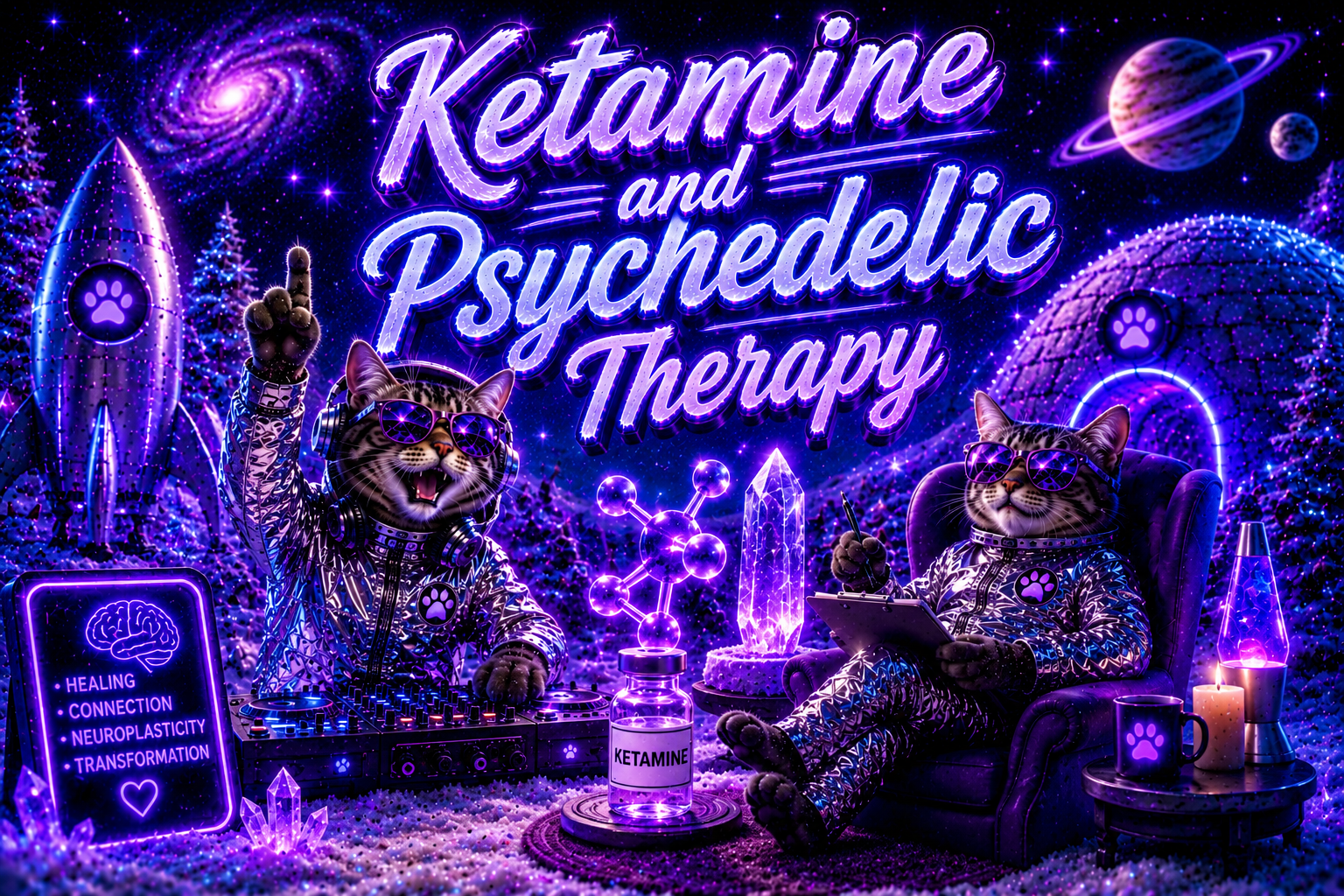
The Dawn of a New Era in Mental Healthcare
We stand at the precipice of a revolution in mental health treatment. For decades, the approach to conditions like depression, PTSD, and anxiety has been dominated by a limited toolkit of pharmaceuticals and talk therapies. While these methods have provided relief for many, a significant portion of individuals find themselves in a frustrating cycle of trial and error, never achieving lasting wellness. But the landscape is changing. A new and powerful paradigm is emerging, one that harnesses the profound potential of psychoactive compounds to heal the mind. At the forefront of this movement is ketamine psychedelic therapy future, a groundbreaking approach that is reshaping our understanding of consciousness and recovery.
This is not about recreational drug use; it’s about a carefully controlled, medically supervised process that combines the unique properties of substances like ketamine, psilocybin, and MDMA with structured psychotherapy. The results from leading research institutions are not just promising; they are, in many cases, extraordinary. Patients who have suffered for years with treatment-resistant conditions are experiencing rapid, profound, and sustained relief. This article will explore the science, the process, and the immense potential of ketamine and the broader field of psychedelic therapy—the undisputed future of mental health.
What is Psychedelic-Assisted Therapy?
Psychedelic-assisted therapy is a novel therapeutic modality that involves the use of psychedelic substances as catalysts for profound psychological and emotional healing. These are not standalone treatments. The compounds are administered in a safe, controlled clinical setting under the guidance of trained therapists. The experience, often called a “journey,” is then integrated through subsequent therapy sessions, helping the individual make sense of the insights and emotions that arise.
The core principle is that these substances can temporarily quiet the brain’s “default mode network”—the part of our mind responsible for ego, rumination, and rigid thought patterns. By doing so, they open up new neural pathways, allowing for increased brain plasticity and a fresh perspective on deep-seated trauma, negative self-beliefs, and destructive behaviors. While many of these substances remain under strict legal control, the overwhelming evidence of their therapeutic benefit is pushing them toward medical legalization and mainstream acceptance. The ketamine psychedelic therapy future is not a distant dream; it is rapidly becoming a clinical reality.
How Do Psychedelics Work for Mental Health?
The exact mechanisms by which psychedelics facilitate healing are still being unraveled, but researchers have identified several key theories that explain their powerful effects. It’s a multi-faceted process that impacts the brain on both a biological and psychological level.
One leading theory focuses on neuroplasticity. Chronic stress, depression, and trauma can damage neural circuits, particularly in the prefrontal cortex, which governs mood, fear, and motivation. Psychedelics, including ketamine, appear to rapidly promote the growth of new synapses, essentially “rewiring” or repairing these damaged circuits. Unlike traditional antidepressants, which can take weeks or months to have an effect (if they work at all), psychedelics can induce these changes with remarkable speed.
Another aspect is the alteration of neurotransmitters. Classic psychedelics like psilocybin and LSD primarily act on the brain’s serotonin 2A receptors, while ketamine works on the glutamate system. By modulating these crucial chemical messengers, these compounds can profoundly shift mood, perception, and cognition.
Finally, there is the psychological and mystical experience itself. Many patients report experiencing a sense of unity, interconnectedness, and transcendence during a psychedelic journey. They may gain profound insights into their personal history, their relationships, and their place in the world. These experiences can be deeply meaningful and transformative, helping to break the cycle of negative thinking and provide a powerful new foundation for healing.
A Closer Look at Ketamine Therapy
While the broader psychedelic renaissance is gaining momentum, ketamine has already carved out a crucial niche as a legal and highly effective treatment for specific mental health conditions. Originally developed as an anesthetic, low-dose ketamine has been shown to produce rapid and robust antidepressant effects, particularly for individuals with treatment-resistant depression and acute suicidal ideation.
Unlike classic psychedelics, ketamine is a dissociative anesthetic. It works by blocking the NMDA receptor, a key player in the brain’s glutamate system. This action leads to a cascade of effects that strengthen neural connections and improve communication between brain cells. The experience is often described as feeling detached from one’s body or surroundings, which can provide a much-needed respite from overwhelming emotional pain. For those interested in the potential of this compound, exploring a trusted source like our ketamine page can provide valuable information.
The FDA has approved a nasal spray form of ketamine, called esketamine (Spravato), for treatment-resistant depression. However, intravenous (IV) ketamine infusions are also widely used “off-label” in clinics across the country. It is crucial to emphasize that this is a medical procedure. The ketamine psychedelic therapy future depends on responsible, supervised administration to ensure both safety and efficacy.
The Expanding Universe of Psychedelic Therapy: Beyond Ketamine
Ketamine may be leading the charge, but a host of other psychedelic compounds are following closely behind, each with its own unique therapeutic profile.
Psilocybin (Magic Mushrooms)
Psilocybin, the active compound in magic mushrooms, is showing incredible promise for treating major depressive disorder, anxiety, and end-of-life distress in terminally ill patients. Large-scale clinical trials have demonstrated that just one or two doses of psilocybin, when combined with therapy, can produce significant and lasting reductions in depressive symptoms. The experience is often more introspective and visual than a ketamine session, and it is poised to be the next major psychedelic compound to receive FDA approval. For those curious about similar compounds, our lsd section offers related insights.
MDMA (Ecstasy/Molly)
MDMA is an empathogen, meaning it fosters feelings of empathy, connection, and emotional openness. This makes it uniquely suited for treating post-traumatic stress disorder (PTSD). In therapeutic settings, MDMA can help individuals revisit traumatic memories without being overwhelmed by fear and anxiety, allowing them to process the experience in a new light. Phase 3 clinical trials have shown remarkable success, with a majority of participants no longer meeting the criteria for PTSD after treatment. Our mdma page provides more context on this class of compounds.
LSD and DMT
LSD and DMT are also being re-examined for their therapeutic potential. LSD, known for its long-lasting and profound effects on consciousness, is being studied for anxiety, while DMT, a powerful, short-acting psychedelic found in ayahuasca, is being explored for its ability to treat a range of conditions. You can learn more about these substances on our lsd and dmt pages.
The Therapeutic Process: What to Expect
A psychedelic therapy session is a structured, multi-stage process designed to maximize safety and therapeutic outcomes.
- Preparation: Before the dosing session, the patient meets with their therapists for several preparatory sessions. This is a crucial time to build trust, set intentions for the journey, and discuss any fears or concerns.
- Administration & Supervision: The substance is administered in a comfortable, controlled environment. The patient is encouraged to lie down, wear eyeshades, and listen to a curated playlist of music to facilitate an inward journey. Therapists are present throughout the entire experience (which can last from a few hours with ketamine to over eight hours with MDMA or psilocybin) to provide support and ensure safety.
- Integration: In the days and weeks following the experience, the patient engages in integration therapy sessions. This is where the real work begins. The therapist helps the patient process the insights, emotions, and memories that emerged during the journey and translate them into lasting changes in their life.
The Promise and the Peril: Benefits and Risks
While the potential of psychedelic therapy is immense, it is not without risks. It is essential to approach this treatment with respect and caution.
Benefits: * Rapid Efficacy: Psychedelics can produce significant improvements in symptoms after just one or two sessions. * Sustained Effects: The benefits of psychedelic therapy can last for months or even years. * Treatment of “Untreatable” Conditions: This therapy offers hope for individuals who have not responded to any other form of treatment.
Risks: * Psychological Distress: The experience can be challenging, and some individuals may experience anxiety, paranoia, or difficult emotions. * Physiological Risks: Psychedelics can temporarily increase heart rate and blood pressure, so they are not recommended for individuals with cardiovascular conditions. * Importance of Screening: Proper screening for pre-existing conditions like psychosis or bipolar disorder is essential.
The ketamine psychedelic therapy future hinges on balancing these risks and benefits through rigorous research, professional training, and a commitment to harm reduction.
The Future of Psychedelic Medicine
The future of psychedelic medicine is bright. As research continues to validate the safety and efficacy of these compounds, we can expect to see them integrated into mainstream mental healthcare. This will require the development of standardized training programs for therapists, clear regulatory guidelines, and a shift in public perception.
We are moving toward a future where a diagnosis of depression or PTSD is not a life sentence. The ketamine psychedelic therapy future is one where healing is not just possible, but profound. It’s a future where we can address the root causes of mental suffering and unlock the brain’s innate capacity for healing and growth.
FAQ: Ketamine and Psychedelic Therapy
Is psychedelic therapy legal?
Currently, ketamine is legal for medical use in clinics across the country. Psilocybin and MDMA are still classified as Schedule I substances federally, but they are available through clinical trials and in some states (like Oregon and Colorado) that have passed decriminalization or medical access measures. FDA approval for MDMA and psilocybin for specific conditions is anticipated in the coming years.
How is ketamine therapy different from recreational use?
The difference is night and day. Therapeutic ketamine is administered in a controlled medical setting with precise, sub-anesthetic doses. It is part of a structured protocol that includes therapy and medical supervision. Recreational use involves unknown doses, impure substances, and no therapeutic support, which can be dangerous and lacks the integration necessary for lasting healing.
Who is a good candidate for psychedelic therapy?
Good candidates are typically individuals with treatment-resistant mental health conditions who have not found success with conventional therapies. A thorough screening process is essential to rule out any medical or psychological contraindications. It is vital to work with a qualified medical professional to determine if this treatment is right for you.
Your Journey to Wellness Starts Here
The evidence is clear: the ketamine psychedelic therapy future represents a paradigm shift in mental healthcare, offering new hope and powerful tools for healing. If you are ready to explore the potential of these transformative compounds, we invite you to browse our shop. We are committed to providing high-quality, lab-tested products and educational resources to support your journey toward wellness. Discover the future of mental health today.
The Economic and Societal Impact
The psychedelic renaissance is not just a medical phenomenon; it carries significant economic and societal implications. As these therapies move towards the mainstream, a new industry is rapidly forming. This includes not only the pharmaceutical companies developing the drugs but also a vast ecosystem of clinics, trained therapists, technology platforms for patient management, and educational institutions for professional training. The potential market for psychedelic-assisted therapies is projected to be worth billions of dollars within the next decade, attracting substantial investment and driving innovation. This economic growth, however, must be managed responsibly to ensure that the primary focus remains on patient well-being and equitable access, rather than purely commercial interests. The ketamine psychedelic therapy future will be shaped by how we navigate the intersection of healing and commerce.
Furthermore, the societal impact could be transformative. By providing effective treatment for conditions that are currently a massive burden on public health systems and economies, psychedelic therapy could lead to significant reductions in healthcare costs, disability claims, and lost productivity. More profoundly, by helping individuals heal from trauma and reconnect with themselves and their communities, this movement has the potential to foster a more compassionate, mentally healthy society. It challenges long-held stigmas around mental illness and drug use, promoting a more nuanced, evidence-based conversation. The shift from a purely punitive to a therapeutic model for these substances represents a major evolution in our collective approach to health and justice.